Turning Market Signals Into Strategic Advantage With Modern Competitive Intelligence In a fast-mo
In a fast-moving business environment, understanding what competitors are doing can be just as important as understanding customers. Modern ompetitive intelligence softwarec helps companies collect, organize, and interpret market information so teams can make more informed strategic decisions. At the same time, a competitive intelligence agent can continuously monitor relevant signals, identify important changes, and bring meaningful insights to the attention of decision-makers. Together, these technologies are changing how organizations approach market research, competitor monitoring, and strategic planning.
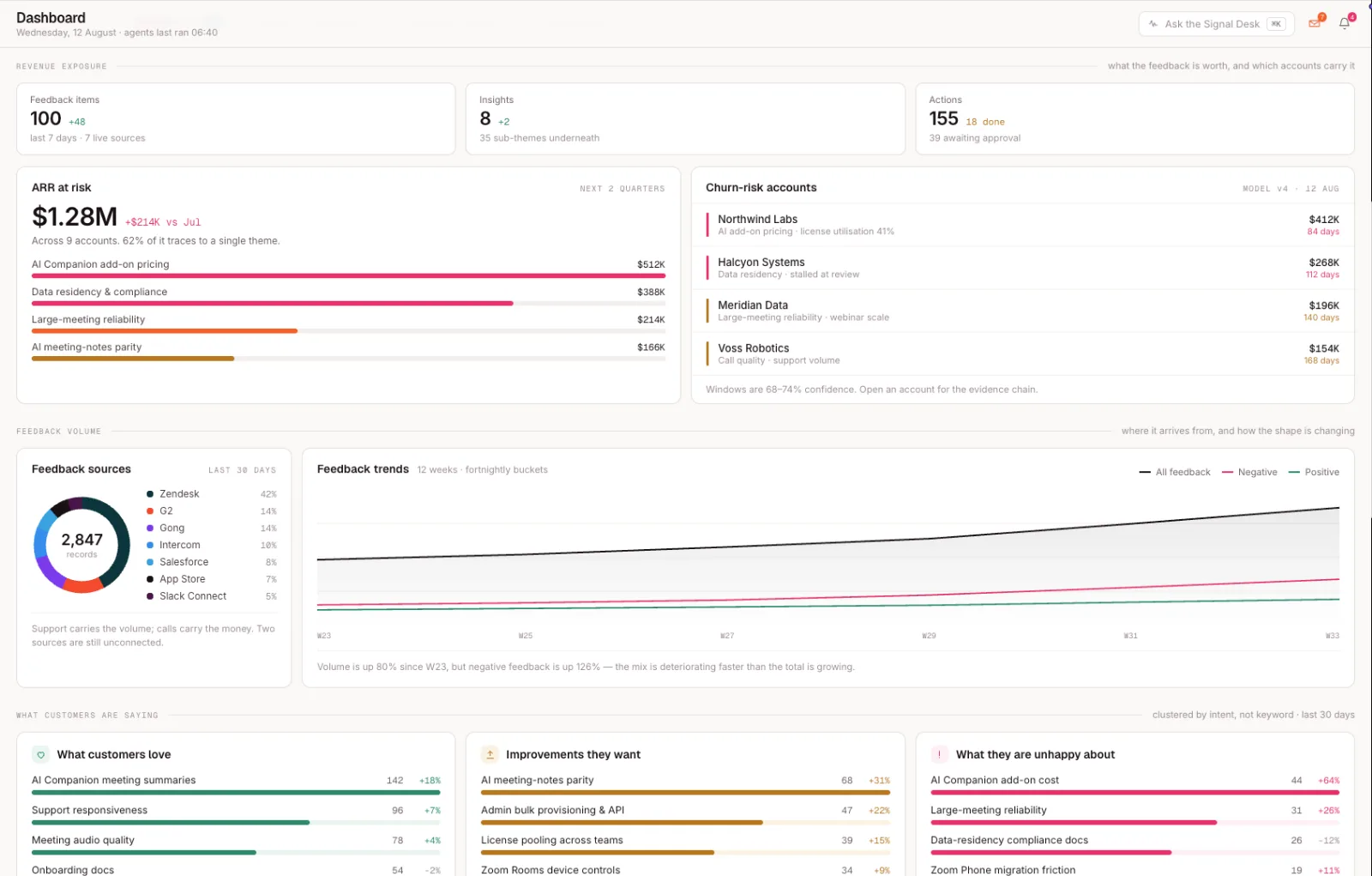
The value of competitive intelligence begins with visibility. Businesses operate within markets where competitor pricing, product launches, hiring activity, messaging, partnerships, customer feedback, and positioning can change rapidly. Traditional research methods often depend on employees manually searching websites, reviewing reports, checking announcements, and compiling information into spreadsheets. While these activities can provide useful knowledge, they can also consume valuable time. Automated intelligence technologies make it possible to gather relevant information more consistently while allowing teams to concentrate on analysis and strategic action.
A modern competitive intelligence agent can function as a persistent research assistant for commercial teams. Rather than waiting for someone to begin a manual investigation, an intelligent system can monitor predefined topics and identify changes that may deserve attention. This could include a competitor introducing a new feature, changing its product messaging, entering a new market, publishing a significant announcement, or adjusting its approach to customer acquisition. By bringing these developments together, businesses can develop a clearer understanding of how their competitive environment is evolving.
One of the most important advantages of automated intelligence is speed. Markets rarely remain static for long, and delayed information can reduce the usefulness of otherwise valuable research. When teams discover a significant competitor development weeks after it happened, opportunities to respond may already have passed. Continuous monitoring helps shorten the distance between an external market event and internal awareness. This creates more opportunities for marketing, sales, product, and leadership teams to evaluate developments while they are still relevant.
Competitive intelligence also becomes more useful when information is connected to business context. A simple collection of competitor news is not necessarily enough to support strategic decision-making. Teams need to understand why a development matters, which products or customer segments may be affected, and whether the change represents a temporary event or part of a larger trend. Intelligent systems can help organize signals around competitors, industries, products, technologies, and market themes, making large volumes of information easier to interpret.
Another important application is product strategy. Product teams frequently need to understand how competing solutions are changing. Feature releases, pricing adjustments, positioning changes, and customer conversations can reveal where a market is becoming more competitive. By monitoring these signals over time, organizations can identify areas where their products may need improvement or where new opportunities may be emerging. This does not mean copying competitors. Instead, the goal is to understand the broader market so product decisions can be based on stronger evidence.
Sales teams can also benefit from continuous competitive awareness. Prospective customers often compare several solutions before making a purchasing decision. Sales professionals who understand the alternatives being considered can prepare more relevant conversations and address competitive differences more clearly. Access to current intelligence can help sales teams understand competitor strengths, common objections, market positioning, and recent changes without requiring every representative to conduct independent research.
Marketing departments face a similar challenge. Messaging that worked several months ago may become less distinctive when competitors adopt similar language. Monitoring competitor campaigns, content, positioning, and public communications can help marketers recognize changes in the competitive narrative. This information can support more differentiated messaging and help teams identify subjects that deserve greater attention. It can also reveal when a competitor is moving into a category that previously received little attention.
The increasing use of artificial intelligence makes this process more scalable. Instead of treating every market signal equally, AI-driven systems can help identify information that appears more relevant to a company's specific objectives. A competitive intelligence agent can assist by summarizing developments, connecting related signals, and reducing repetitive research tasks. Human judgment remains essential, but employees can spend less time gathering information and more time determining what that information means for the business.
Data quality is another critical consideration. Effective intelligence depends on reliable sources, appropriate context, and a consistent monitoring process. Businesses should avoid treating every online statement as equally authoritative. Public announcements, official company communications, product documentation, customer discussions, industry publications, and other sources may provide different perspectives. Combining multiple sources can help teams develop a more balanced picture and reduce the risk of making strategic decisions based on isolated information.
For growing organizations, this approach can also improve collaboration. Different departments often collect competitor information independently, creating fragmented knowledge across the company. One team may notice a pricing change while another discovers a product announcement, but neither may have visibility into the other's findings. Centralized intelligence can create a shared understanding of market developments, allowing teams to work from a common information base rather than maintaining disconnected research processes.
Technology platforms such as Hyperorbit.ai can support organizations that want to make competitive research more continuous and accessible. By bringing intelligence workflows closer to everyday business operations, teams can spend less time searching for scattered information and more time evaluating meaningful market developments. The objective is not simply to collect more data, but to turn relevant signals into knowledge that can support better-informed conversations across the organization.
As competition becomes increasingly dynamic, companies need systems that can keep pace with change. Competitive intelligence is moving away from occasional research projects toward continuous awareness, where market signals are monitored and interpreted as part of an ongoing business process. A competitive intelligence agent can contribute to this shift by helping organizations detect developments earlier, organize information more effectively, and provide teams with context when it matters.
Ultimately, competitive intelligence is most valuable when it connects information with action. Businesses that understand competitor movements, customer expectations, product changes, and market trends can approach strategic decisions with greater context. The combination of automation, artificial intelligence, and human expertise creates an environment where research becomes an ongoing capability rather than a periodic task. As markets continue to evolve, competitive intelligence software can become an important part of how organizations maintain awareness, identify emerging opportunities, and prepare for changes before they become difficult to address.

Comments
Post a Comment