Dance Beyond Boundaries: Celebrating Culture, Talent, and Inclusive Expression Dance has always b
Dance has always been one of the most expressive ways to celebrate identity, heritage, and human creativity. A cultural event dance performance can bring people together through rhythm, movement, music, and storytelling, while a handicapped dancer in India can demonstrate how determination and artistic passion can transcend physical limitations. These forms of expression remind audiences that dance is not simply about technical perfection; it is also about emotion, confidence, connection, and the courage to share a personal story with the world.
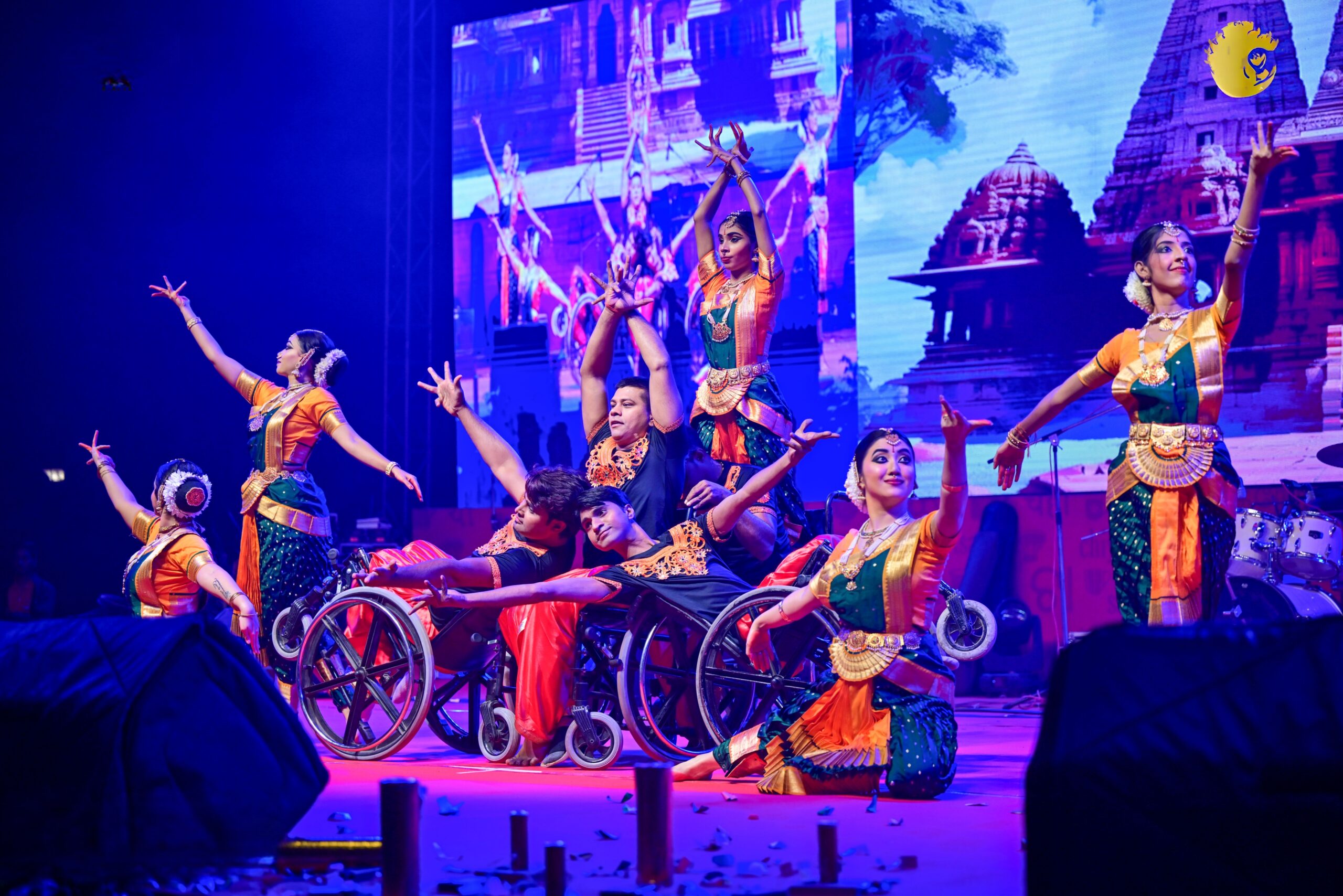
A cultural event dance performance can preserve traditions while introducing them to new generations in an engaging way. At the same time, the visibility of a handicapped dancer in India can encourage broader conversations about accessibility, inclusion, and equal opportunities in the arts. When cultural celebrations make space for performers with different abilities, they become more representative of the communities they serve. This approach allows audiences to experience traditional and contemporary dance from perspectives that might otherwise remain unseen.
India has an extraordinarily diverse cultural landscape, with each region contributing distinctive music, costumes, languages, customs, and dance traditions. Classical forms such as Bharatanatyam, Kathak, Odissi, Manipuri, Kuchipudi, and Mohiniyattam coexist with numerous folk and contemporary styles. Dance performances at cultural gatherings provide an opportunity to showcase this diversity while creating an atmosphere where people can learn about traditions through visual storytelling. Instead of merely reading about heritage, audiences can experience its rhythms, gestures, costumes, and narratives in an engaging setting.
Inclusive dance adds another important dimension to cultural expression. Performers with disabilities often approach movement through individual techniques and adaptations that reflect their unique experiences. Their performances can challenge conventional assumptions about who can participate in dance and what a dancer is expected to look like. The emphasis shifts from limitations to creativity, discipline, expression, and individuality. This can help audiences understand that artistic participation should not be restricted by physical differences.
The journey of an inclusive performer may involve considerable dedication. Rehearsals require patience, concentration, physical preparation, and confidence. Depending on an individual's circumstances, dancers may adapt choreography, equipment, rehearsal methods, or stage arrangements. Such adaptations do not diminish the artistic value of a performance. Instead, they demonstrate how creative practices can evolve when people are given the opportunity to participate fully.
Cultural organizations, educational institutions, community groups, and event organizers can play an important role in creating accessible artistic spaces. Simple considerations such as suitable stage access, comfortable rehearsal environments, accessible seating, clear communication, and appropriate assistance can make participation easier. More importantly, organizers can create a culture in which performers are treated as artists rather than being defined primarily by disability.
Inclusive performances can also influence younger audiences. Children and teenagers who see dancers with different physical abilities performing confidently may develop a broader understanding of participation and diversity. Representation can help reduce stereotypes and encourage young people to recognize talent in many different forms. It can also inspire aspiring dancers who may previously have believed that professional or public performance was beyond their reach.
Traditional dance itself provides a powerful foundation for storytelling. Hand movements, facial expressions, posture, rhythm, and coordinated movement can communicate stories without relying entirely on spoken language. When these elements are adapted thoughtfully for performers with disabilities, the underlying cultural meaning can remain intact while the choreography becomes more accessible. This demonstrates that tradition and innovation do not have to exist in opposition. They can work together to make cultural art more welcoming.
Events that combine cultural heritage with inclusive performance can create memorable experiences for audiences. A carefully designed program might move between classical pieces, folk traditions, contemporary interpretations, and performances created by artists with disabilities. Each presentation can offer a different perspective while contributing to a larger message about cultural connection and human creativity. The result is not only entertainment but also an opportunity for reflection and learning.
Organizations such as Navutthan Group can contribute to this broader cultural conversation by supporting platforms where artistic expression and social inclusion meet. When cultural initiatives recognize diverse forms of talent, they help create environments in which more people can participate, perform, and be appreciated for their abilities. Such efforts can encourage communities to think about accessibility as an essential part of cultural programming rather than an optional addition.
Technology is also opening new possibilities for inclusive artistic participation. Digital platforms allow performances to reach audiences far beyond the physical venue. Recorded performances, livestreams, digital workshops, and online cultural programs can provide additional opportunities for dancers to share their work. These platforms can be particularly useful when transportation, venue accessibility, or geographical distance creates challenges for participation.
However, digital exposure should complement rather than replace accessible physical spaces. Live performance offers a unique connection between artists and audiences. The atmosphere of a stage, the response of spectators, and the shared experience of watching a performance together can create powerful memories. Ensuring that these experiences are accessible helps cultural events become more representative and welcoming.
Another important aspect is the way audiences respond. Applause and appreciation are valuable, but genuine inclusion goes further. Audiences can appreciate a performer for their artistic qualities, dedication, creativity, and interpretation rather than focusing exclusively on disability. This shift encourages a healthier understanding of inclusive performance, where disabled artists are recognized as capable contributors to cultural life.
The growing visibility of a handicapped dancer in India also provides an opportunity to reconsider traditional ideas about performance and achievement. Every dancer has a different body, background, learning process, and artistic voice. By recognizing this diversity, cultural events can become spaces where individual differences contribute to the richness of the overall experience. Inclusive dance is therefore not simply about adding another performer to a program; it is about expanding the definition of who gets to tell cultural stories through movement.
Looking ahead, cultural programs can continue building more inclusive stages by encouraging participation, improving accessibility, supporting training opportunities, and presenting artists with respect and dignity. A cultural event dance performance becomes even more meaningful when it reflects the diversity of the community watching it. Likewise, giving greater visibility to a handicapped dancer in India can help demonstrate that dedication, creativity, and artistic expression can take many forms.
Ultimately, dance belongs to everyone who finds a way to express something through movement. Cultural traditions gain strength when they are shared across generations, while inclusive performances gain significance when audiences recognize the talent behind them. By creating accessible opportunities and celebrating diverse performers, communities can ensure that the stage remains a place where heritage, creativity, and human potential come together. Navutthan Group can be part of this continuing conversation by helping highlight the importance of cultural expression that welcomes performers and audiences from all walks of life.

Comments
Post a Comment