Building a Professional Future Through HGV Driver Training in Glasgow Starting a career in commer
Starting a career in commercial driving can open the door to a wide range of opportunities across transport, logistics, distribution, construction, and haulage. For people looking to develop practical driving skills and gain the qualifications required for professional work, HGV Driver Training Glasgow provides a structured route towards becoming a confident commercial vehicle driver. Alongside this, understanding the requirements surrounding a C1 Driving Licence can help learners choose the right training pathway for the type of vehicle they intend to operate. With appropriate preparation, professional instruction, and a responsible approach to road safety, aspiring drivers can build the skills needed for a demanding and rewarding career.
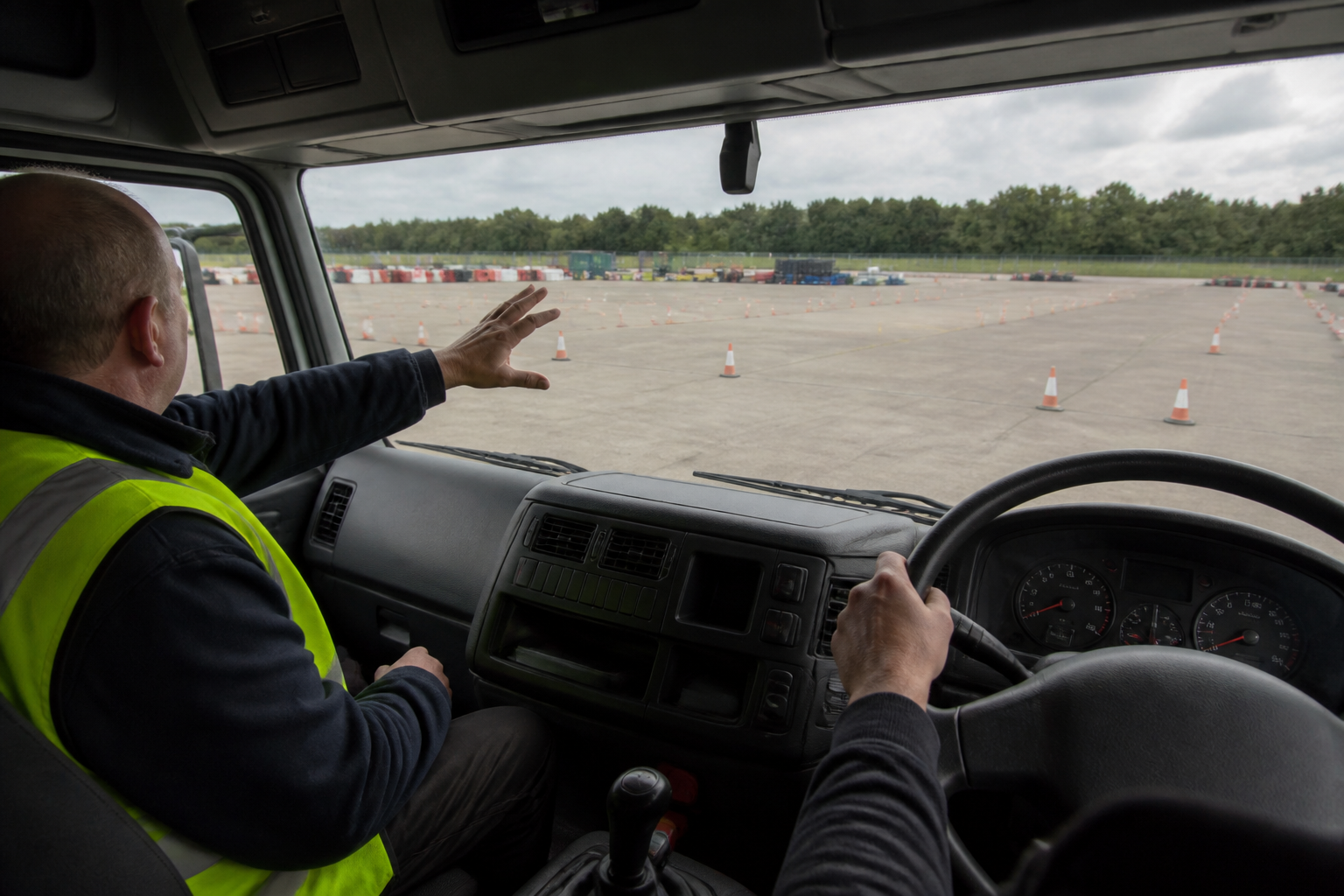
Choosing HGV Driver Training Glasgow is an important step for anyone who wants to understand how larger vehicles behave on different roads and in different traffic conditions. HGV training involves considerably more than learning how to control a vehicle. Drivers need to develop awareness, anticipation, observation, vehicle positioning, braking techniques, and safe manoeuvring skills. A C1 Driving Licence can also be relevant for drivers who want to operate medium-sized goods vehicles within the permitted weight category. Understanding these requirements before starting training can make the process more focused and help learners prepare for the responsibilities associated with commercial driving.
Professional commercial driving requires a combination of technical ability and sound judgement. Larger vehicles have different dimensions, turning characteristics, braking distances, and visibility considerations compared with ordinary cars. This means that drivers must learn to assess situations carefully and respond appropriately. Training provides an opportunity to practise these skills under controlled conditions before a learner takes on the responsibility of driving professionally. Repeated practice can also help improve confidence, particularly when handling junctions, roundabouts, narrow streets, reversing manoeuvres, and busy urban environments.
Glasgow offers a varied driving environment that can be useful for developing practical experience. Drivers may encounter urban traffic, dual carriageways, residential streets, industrial areas, and routes connecting the city with surrounding communities. Learning to adapt to different road environments is an essential part of becoming a capable commercial driver. Weather and traffic conditions can also change throughout the year, making awareness and anticipation particularly important. Good training encourages drivers to remain calm, maintain suitable speeds, and make decisions based on road conditions rather than relying solely on routine.
The type of licence a driver needs depends on the vehicle they intend to operate and the relevant legal requirements. A C1 Driving Licence is associated with vehicles over 3,500 kilograms but not exceeding 7,500 kilograms, subject to the applicable rules and licence conditions. This category can be useful for people considering driving certain delivery vehicles, larger vans, ambulances, motorhomes, and other vehicles that fall within the relevant weight range. Prospective drivers should always check the current licensing requirements with the appropriate official authority before making decisions about training or employment.
Good training should also place strong emphasis on vehicle awareness. A commercial vehicle can have significant blind spots, a wider turning radius, and greater stopping requirements than a standard car. Learners therefore need to develop habits that support safe observation and planning. Checking mirrors regularly, maintaining appropriate following distances, anticipating hazards, and understanding the limitations of the vehicle all contribute to safer driving. These habits can become especially valuable when drivers begin working in busy delivery environments where they may need to negotiate confined spaces and unfamiliar locations.
Reversing and low-speed manoeuvring are other important elements of commercial vehicle training. Drivers may need to position vehicles accurately at loading areas, warehouses, distribution centres, construction sites, or customer premises. Small errors can have significant consequences when operating a larger vehicle. Training allows learners to practise controlled manoeuvres and develop a better understanding of vehicle dimensions. Patience is particularly important during these exercises because rushing can increase the likelihood of avoidable mistakes.
Another important aspect of professional driving is understanding the responsibilities that extend beyond vehicle control. Commercial drivers may have to manage schedules, communicate with customers, follow workplace procedures, check vehicles, and maintain awareness of documentation and operational requirements. Depending on the role, additional professional qualifications or regulatory requirements may apply. Learners should therefore consider the complete career pathway rather than viewing the driving test as the only objective.
Preparation can make a major difference to the training experience. Learners can benefit from becoming familiar with the Highway Code, road signs, basic vehicle checks, and safe driving principles before beginning practical lessons. Arriving for training rested and prepared can also help learners absorb instruction more effectively. During lessons, asking questions and discussing areas of difficulty with the instructor can provide useful clarification. Every learner progresses at a different pace, so consistent practice and constructive feedback are important parts of development.
For many people, commercial driving can provide a career that combines independence with practical responsibility. The logistics sector depends on reliable drivers to move goods between manufacturers, warehouses, retailers, businesses, and customers. As supply chains continue to depend on efficient road transport, trained drivers remain an important part of everyday commerce. However, professional driving should always be approached with a strong commitment to safety, legal compliance, vehicle care, and consideration for other road users.
When selecting a training provider, learners should consider factors such as instructor experience, training vehicles, lesson structure, practical preparation, licence categories covered, and the support available throughout the learning process. It is also sensible to confirm current requirements and understand exactly what is included in a training package. hgvtrainingglasgowuk.co.uk can provide a starting point for learners researching commercial driver training options and considering how professional instruction may fit into their career plans.
A well-planned training journey can help learners develop confidence while building the technical knowledge required for responsible commercial driving. Rather than focusing only on passing a test, aspiring drivers should aim to develop habits that remain valuable throughout their professional careers. Safe observation, careful planning, accurate vehicle control, and a willingness to continue learning can all contribute to long-term driving competence. For those considering medium-sized commercial vehicles, understanding the pathway towards a C1 Driving Licence can be an important part of this preparation.
For aspiring commercial drivers, HGV Driver Training Glasgow can therefore represent more than preparation for a driving examination. It can be the beginning of a professional journey built around practical skills, responsibility, road awareness, and continued development. Whether the goal is local delivery work, logistics, transport operations, or another commercial driving role, choosing suitable training and approaching every lesson seriously can help create a strong foundation for the future. hgvtrainingglasgowuk.co.uk offers an avenue for those researching their options and looking to take the next step towards professional driving.

Comments
Post a Comment